
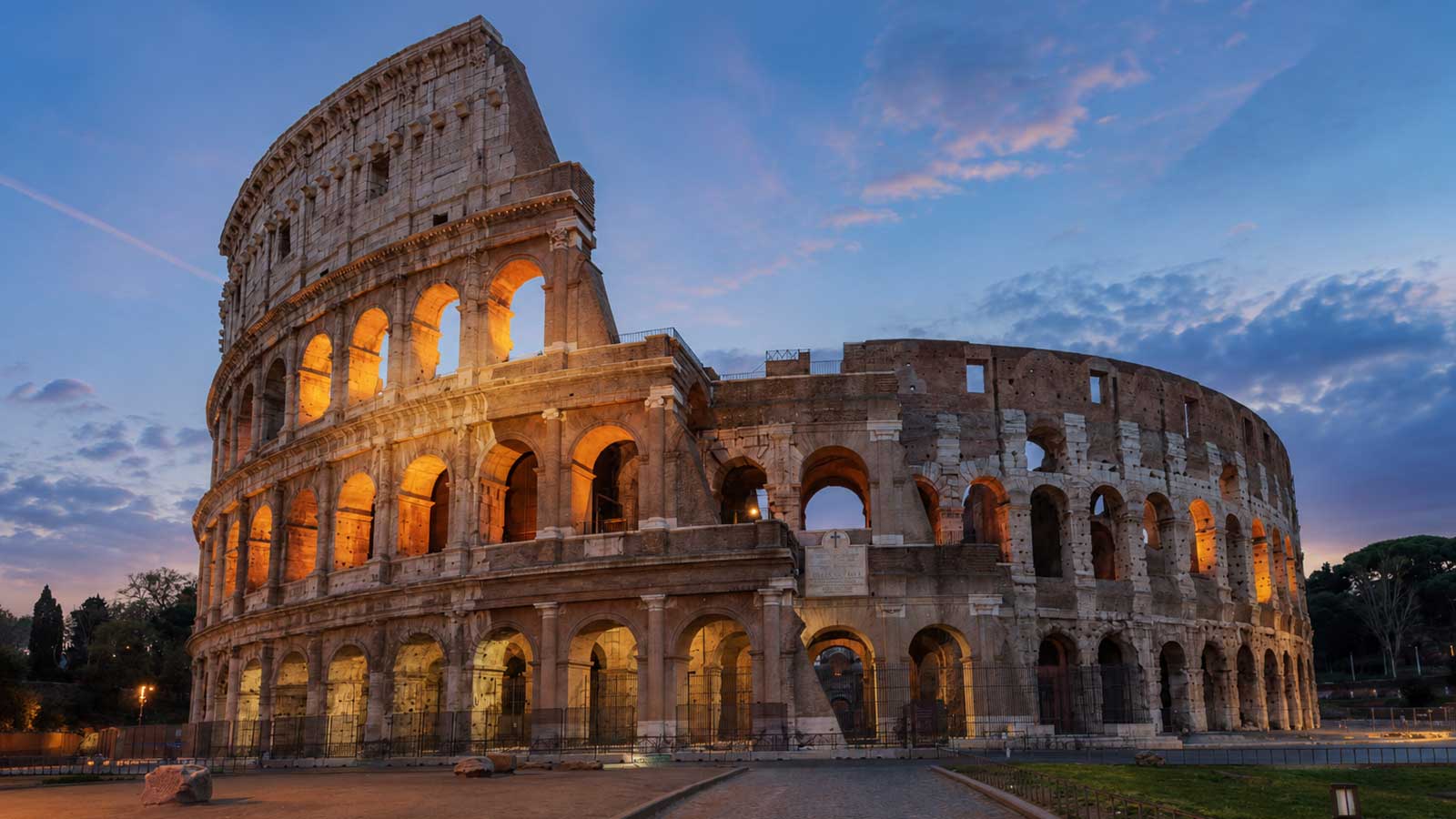
Five days reading Rome's layers — from the Forum's marble through underground Roman houses, the Jewish Quarter's quiet streets, and galleries most travelers skip.
You're here to understand Rome, not just see it — the kind of traveler who reads the plaque everyone else walks past, and who'd rather find one neighborhood that surprises you than tick off a dozen landmarks on autopilot.
Day 1
Theme
Arrival, orientation, and the Forum at its best
Morning
Walk straight to the Roman Forum first thing before the tour groups thicken. This is where the Roman Republic actually happened — senate debates, triumphal processions, the everyday machinery of an empire — and it reads completely differently when you have room to stand still and look. Budget about $18–22 for combined entry with the Colosseum, which you'll save for another day. Bring water; the site is open-air and sprawling.
00186 Rome, Metropolitan City of Rome Capital, Italy
Afternoon
Cross to the Capitoline Museums on Piazza del Campidoglio — the oldest public museums in the world, and still among the most rewarding. The original Marcus Aurelius equestrian statue is here (what's outside is a copy), along with a collection that makes the political history of the Forum you just walked feel suddenly three-dimensional. A few hours is the right amount of time; around $18 entry. Grab a coffee from a bar near the piazza before you go in.
Corso Vittorio Emanuele II, 168, 00186 Roma RM, Italy
Evening
Dinner at Taverna Trilussa in Trastevere — a neighborhood trattoria with deep roots, cacio e pepe worth the walk, and the kind of unhurried pacing that makes you realize you've been in the restaurant for two and a half hours without noticing. Around $35–50/person with wine.
Why this fits: you came to understand places, not just photograph them — so the first day goes deep on one era rather than sprinting across five centuries.
Day 2
Theme
Vatican, slowly
Morning
The Vatican Museums and Sistine Chapel deserve an early start and a real pace. Book timed entry in advance (around $28–35) and resist the urge to rush toward the Chapel — the maps gallery, the Raphael Rooms, the classical sculpture corridor all reward attention. The Sistine Chapel itself is smaller than people expect and louder; knowing the ceiling's iconographic program before you walk in makes it land harder.
Saint Peter's Basilica is free and worth an hour on its own terms — scale, Michelangelo's Pietà, Bernini's baldachin. Then decompress at Castel Sant'Angelo nearby, the mausoleum-turned-fortress-turned-papal-escape-hatch that's been repurposed by every century since Hadrian. Around $17 entry; the rooftop views over the Tiber are a legitimate payoff.
Walk back across the river and find aperitivo somewhere near Campo de' Fiori before dinner. Sant' Eustachio Caffè isn't an evening spot, but the walk through that neighborhood at dusk, when the tourist rush has thinned, is the payoff for the morning crowds. Dinner tonight can be loose — find a counter doing supplì or pizza al taglio near the centro storico, no reservation needed.
Why this fits: Vatican day is dense by nature, so the afternoon slows down and the evening gives you room to breathe rather than adding another sit-down reservation.
Day 3
Theme
The layers underneath — Jewish Quarter, Palazzo Valentini, and the Appian Way
Morning
Start at Le Domus Romane di Palazzo Valentini — an excavated Roman noble house discovered under a 16th-century palazzo, with a multimedia presentation that reconstructs daily life in a way most Rome museums don't attempt. It requires booking ahead (around $15) and runs about 90 minutes. This is the kind of place most visitors skip entirely, which puts it squarely in your lane.
The Jewish Museum in the Ghetto neighborhood covers one of Europe's oldest continuous Jewish communities — present in Rome since before the fall of the Temple, which means this community predates Christianity in the city. The building also includes the adjacent synagogue, which is architecturally striking. Around $12–15. After, walk the Ghetto and have lunch at a counter spot nearby — artichokes alla giudia are the dish, and you'll find them here better than anywhere else in the city.
Head to Parco Regionale dell'Appia Antica for a late afternoon walk along the ancient road — paving stones laid by Roman engineers, flanked by crumbling tombs and umbrella pines. It's one of the few places in Rome where you can walk in near-silence on 2,000-year-old infrastructure. Then head back into the city for dinner; the evening can be simple — Antico Forno Serpenti does exceptional pizza al taglio and is a neighborhood staple in Monti, around $15–20 if you keep it casual.
Why this fits: you're drawn to places most people skip and histories that don't make the highlight reel — this day is built entirely around that instinct.
Day 4
Theme
Borghese, Baroque, and a museum that earns its obscurity
Morning
Galleria Borghese requires advance booking (essential — they cap it strictly at 360 people per two-hour slot, around $30) and repays it completely. Bernini's sculptures here — Daphne mid-transformation, Pluto's fingers pressing into Persephone's thigh — are the most viscerally impressive things in Rome that aren't an ancient ruin. Caravaggio's paintings in the same rooms make for a morning that's hard to follow.
Piazzale Scipione Borghese, 5, 00197 Roma RM, Italy
Afternoon
Walk through Villa Borghese after the gallery to decompress, then make your way to Galleria Doria Pamphilj on Via del Corso — a private family collection still owned by the Doria Pamphilj, with a Velázquez portrait of Innocent X that Francis Bacon called the greatest painting ever made. The palazzo rooms are intact, the audio guide is narrated by a family member, and almost no one is there. Around $16.
Drinks at Drink Kong in Monti — a serious cocktail bar with a Japanese-Italian aesthetic and a bartending program that's among the most thoughtful in the city. It fits the day's design-and-craft thread without requiring you to stay out late. Around $14–18 a drink. Dinner nearby in Monti or Esquilino, whatever looks right when you surface.
Piazza di S. Martino Ai Monti, 8, 00184 Roma RM, Italy
Why this fits: you care about how spaces look and feel alongside what they mean — this day puts both in the same frame, and the gallery you'll tell people about is the one they've never heard of.
Day 5
Theme
National Roman Museum, a slow walk, and a proper last dinner
Morning
National Roman Museum - Palazzo Massimo alle Terme is the one that serious Rome visitors say they should have spent more time in. The frescoes from Livia's villa, removed and reassembled in a basement room, are among the best-preserved Roman paintings in existence — painted garden walls, birds, fruit trees, a room designed to make you feel like you're standing outside. The coin collection and portrait busts are equally underrated. Around $10–15; budget two to three hours.
Walk to Giardino degli Aranci on the Aventine Hill — a small orange-tree garden with a view over the Tiber and the city roofline that's calm in a way central Rome rarely is. Then find Sant' Eustachio Caffè for a final Roman espresso — double-creamed, slightly sweet, made by a place that's been doing it the same way since 1938. Around $2.
Last dinner at Gallerie Nazionali di Arte Antica - Palazzo Barberini... actually, end the evening near the Barberini neighborhood and have dinner at a sit-down place in that part of the city — the area around Via delle Quattro Fontane has some solid options without the tourist-strip pricing. Then a slow walk back, no agenda.
Via delle Quattro Fontane, 13, 00187 Roma RM, Italy
Why this fits: the last day pulls together the thread of the whole trip — one more thing most people miss, a pause with a view, and an evening with no schedule to meet.
What to pack
A small notebook or a notes app habit — you'll want to capture context while you're standing in front of things, not trying to reconstruct it later at the hotel
One pair of shoes that can do both a cobblestone walk and a nice dinner without looking wrong in either setting
A light layer for church interiors — shoulders covered is required at most sacred sites, and some are genuinely cool inside even in summer
A printed or downloaded copy of the Palazzo Valentini and Galleria Borghese booking confirmations — both will ask for them at the door
A water bottle; Rome's drinking fountains (nasoni) are everywhere and the water is excellent, so you'll never need to buy a bottle
Worth knowing
Borghese and Palazzo Valentini both sell out days or weeks in advance during peak season — book both the moment you have dates confirmed, not the week before you fly. Missing either because they're full would reshape the whole trip.
The depth-first approach that makes this trip satisfying can quietly eat your whole day at one site, which means dinner at 10:30pm on a night when you forgot to eat lunch. Build in a lunch anchor on museum-heavy days — even a quick stop at Antico Forno Roscioli for bread and something from the counter keeps the day from running off the rails.
Like the look of this one? Make it yours — every day and every spot is customizable.